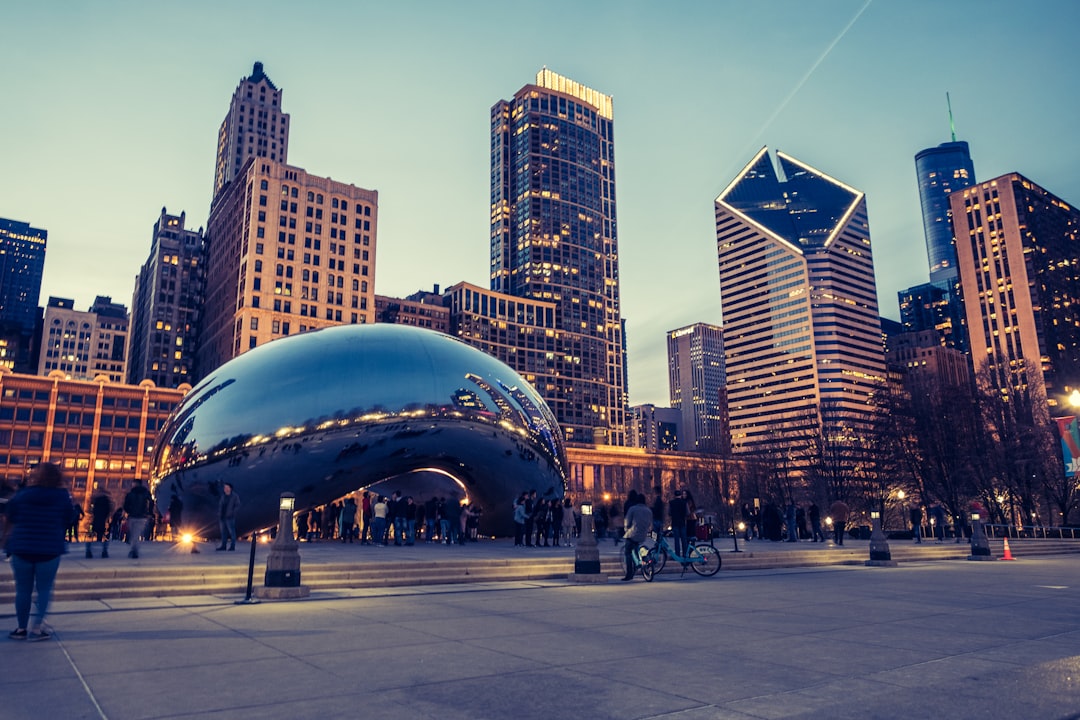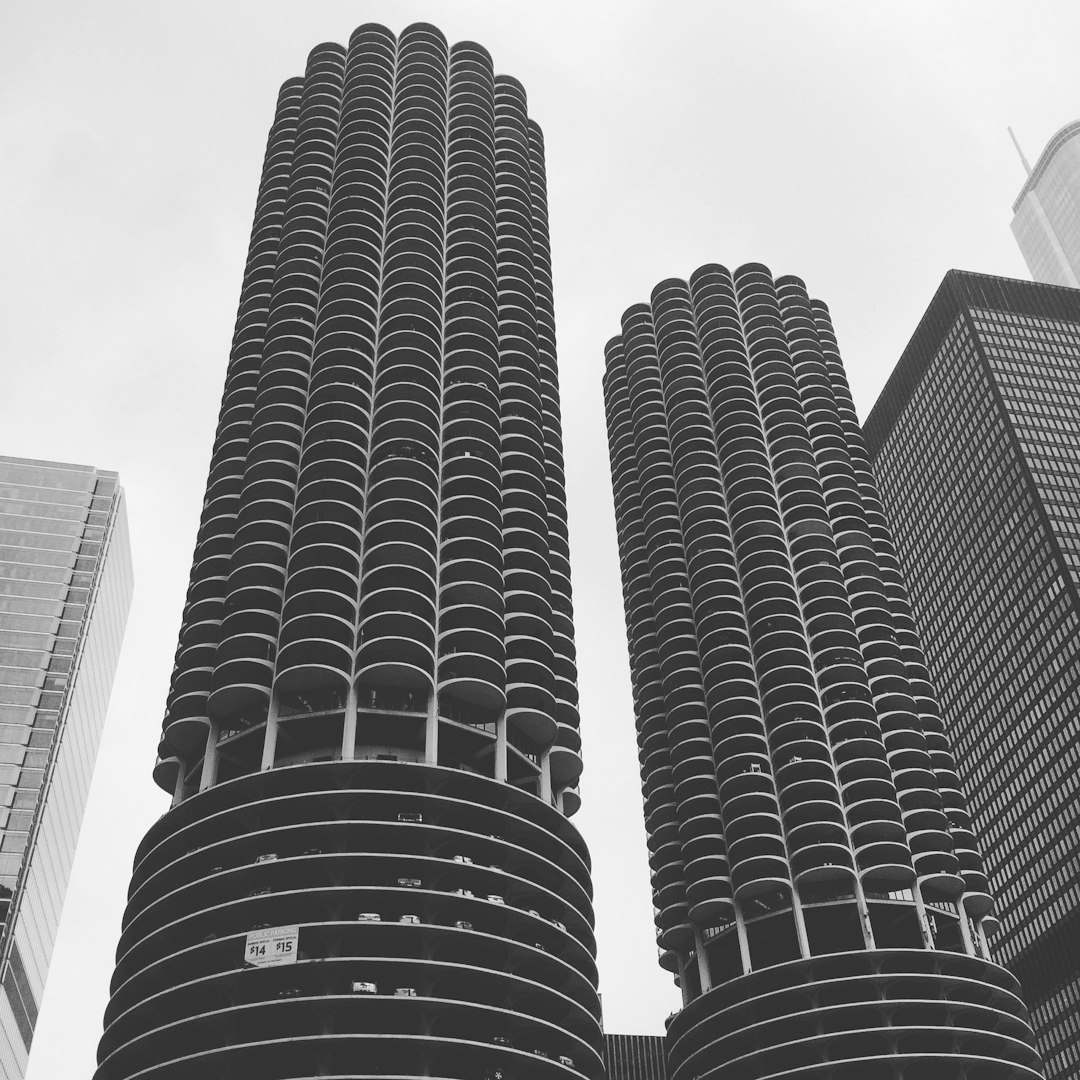
Chicago businesses face a robocall crisis with average of 150 automated calls per month. To combat this, they're turning to robocall attorneys Chicago for legal guidance under TCPA regulations and adopting tech solutions like call blocking powered by AI. This holistic approach combines technology and human insight to distinguish legitimate calls, enhance customer satisfaction through personalized interactions, and build stronger relationships while mitigating risks and protecting public image.
In today’s digital age, Chicago’s business community faces a persistent challenge from automated phone calls, or robocalls, which have become a nuisance and even a security risk. With the rise of sophisticated robocall technologies, businesses must navigate a complex landscape where unsolicited calls can disrupt operations, mislead customers, and expose sensitive data to breaches. This article delves into the psychology behind this growing concern, exploring how individuals within Chicago’s business sector develop resilience against these automated intrusions. We provide valuable insights into effective strategies, with a focus on the role of legal counsel, specifically robocall attorneys in Chicago, who can offer tailored solutions and guidance to mitigate these persistent interruptions.
Understanding Robocall Resilience in Chicago Businesses

In Chicago’s dynamic business landscape, understanding and cultivating robocall resilience is not just a matter of convenience but a strategic necessity. Robocalls, while often annoying, have become an inescapable part of modern communication, with businesses across sectors facing an average of 150 automated calls per month. This pervasive issue demands a sophisticated response from Chicago’s business community, which has shown remarkable adaptability in the face of such challenges. The psychology behind robocall resilience lies in recognizing that these calls are not merely nuisances but opportunities for innovation and improved customer engagement.
Chicago businesses have begun to adopt innovative strategies to combat robocalls, many of them employing legal avenues with the help of robocall attorneys Chicago. By understanding the regulatory frameworks surrounding automated calling, such as the Telephone Consumer Protection Act (TCPA), companies can proactively mitigate legal risks associated with unwanted calls. This proactive approach not only protects businesses from hefty fines but also demonstrates a commitment to ethical practices that can enhance their public image. For instance, many Chicago-based startups have successfully integrated TCPA compliance into their sales strategies, turning potential customer complaints into opportunities for building trust.
Moreover, fostering robocall resilience involves a holistic strategy that combines technology and human insight. Implementing sophisticated call screening tools and AI-driven analytics can help identify legitimate calls from spam. However, it’s not just about filtering; it’s about understanding consumer behavior and preferences. Expert insights suggest that personalized interactions, even through automated systems, can significantly improve customer satisfaction. By analyzing call data and customer feedback, Chicago businesses can tailor their communication strategies, ensuring that the few robocalls they receive are more effective and less intrusive. This approach not only builds resilience but also fosters stronger customer relationships.
Strategies for Fighting Back Against Automated Calls
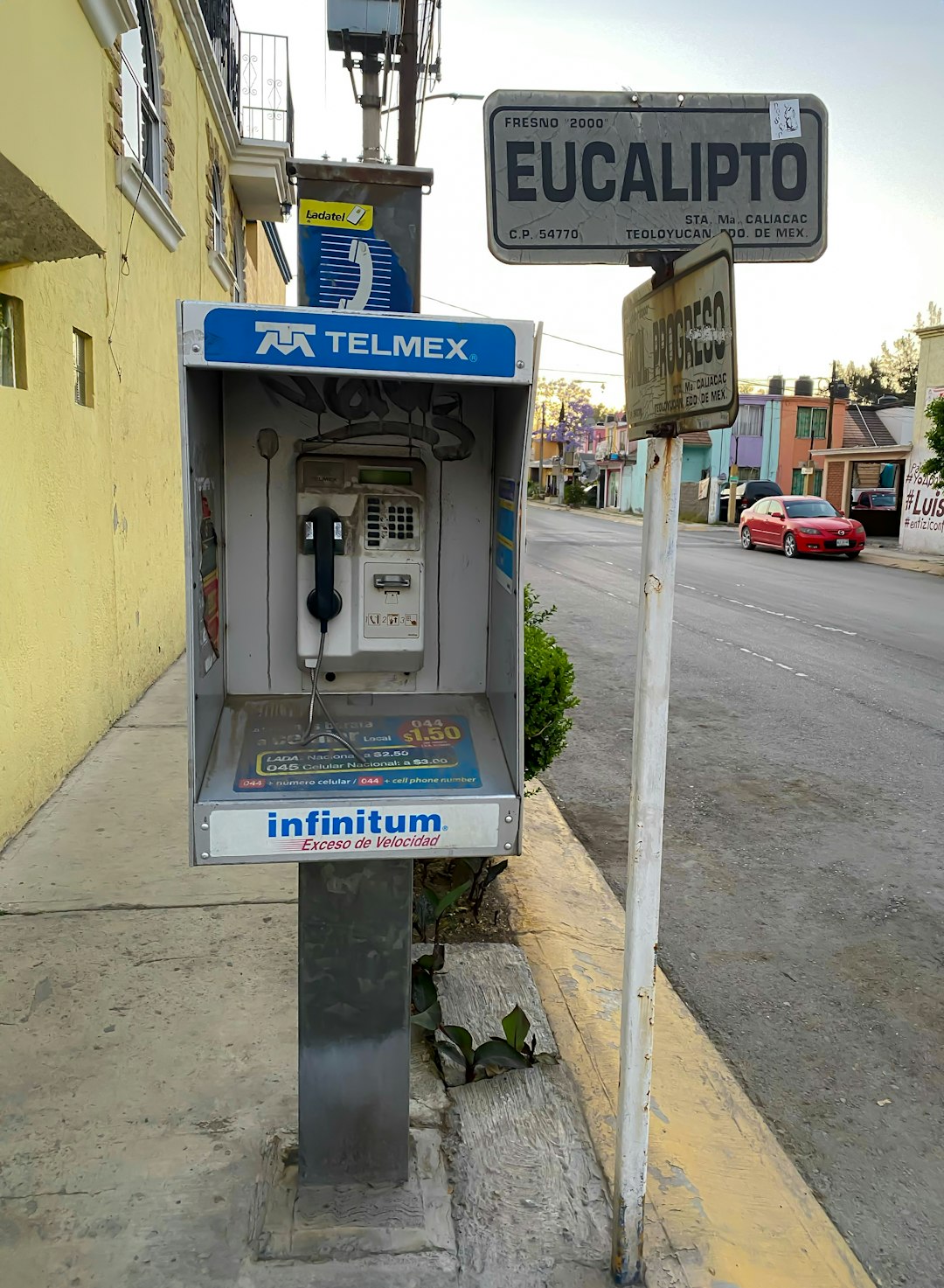
In the face of persistent robocalls, Chicago’s business community is increasingly turning to strategies for resilience. With automated calls becoming a ubiquitous and often invasive nuisance, understanding how to combat them effectively has become paramount. According to recent data from the Federal Communications Commission (FCC), over 40 billion robocalls were made in the United States last year, with Chicago being no exception to this trend. This surge presents a significant challenge for businesses, prompting many to seek proactive solutions.
One of the primary strategies gaining traction involves enlisting the help of legal experts specializing in robocall litigation. A robocall attorney Chicago can play a crucial role in not only mitigating the impact of unwanted calls but also holding perpetrators accountable. These attorneys leverage their expertise to guide businesses through complex legal frameworks, ensuring compliance with telecommunications regulations such as the Telephone Consumer Protection Act (TCPA). By employing legal avenues, businesses can send a strong message to call developers and telemarketing companies that such practices are unacceptable.
Additionally, adopting advanced call blocking technologies is proving effective in combating robocalls. Businesses are investing in sophisticated software solutions designed specifically to identify and block automated calls at the network level. These tools utilize machine learning algorithms to analyze patterns and signatures commonly associated with robocalls, significantly reducing their success rate. For instance, companies like Twilio offer robust call protection features that can be easily integrated into existing business phone systems. By combining legal action and technological advancements, Chicago’s business community is fostering a more resilient environment against the inundation of robocalls.
The Role of Legal Expertise: A Robocall Attorney's Guide
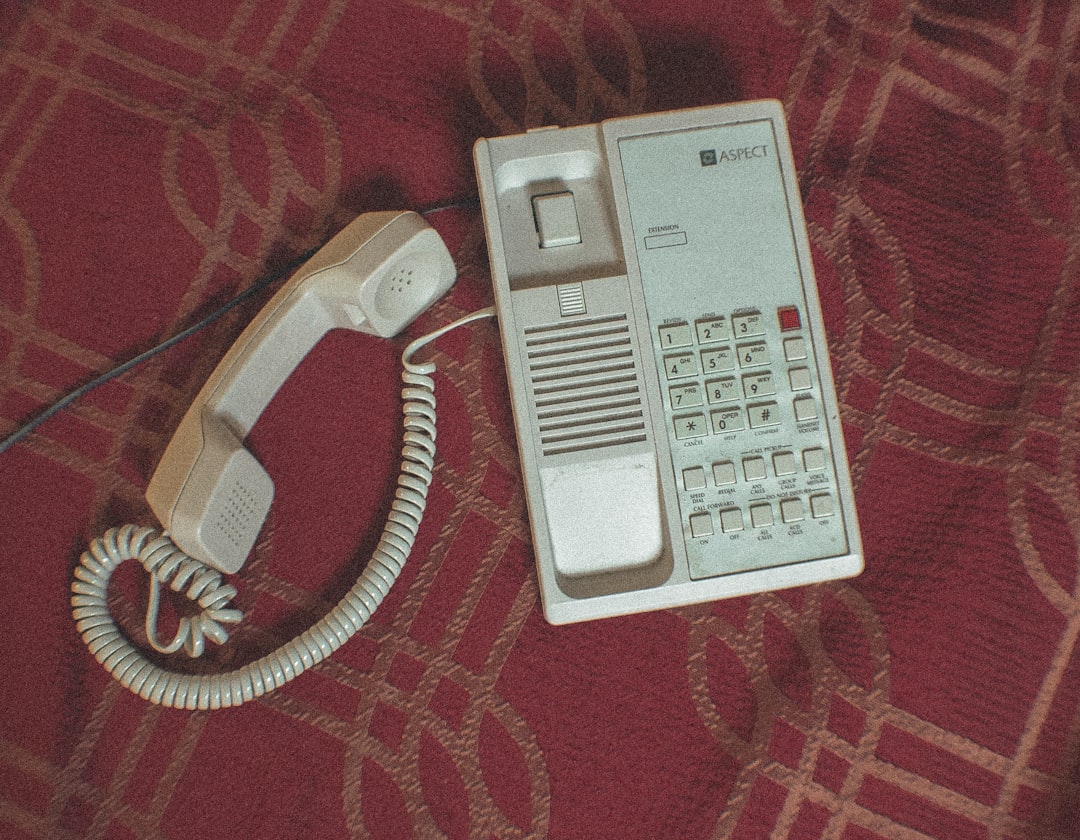
In the dynamic business landscape of Chicago, navigating the complex terrain of robocalls requires more than just technological solutions—it demands a deep understanding of legal strategies. Robocall attorneys in Chicago play a pivotal role in empowering businesses to fortify their defenses against these persistent intrusions. The effectiveness of their expertise lies not only in the interpretation of existing laws but also in staying abreast of evolving legislation tailored to curb robocall tactics.
A robust strategy begins with recognizing the legal framework governing robocalls, such as the Telephone Consumer Protection Act (TCPA). This federal law restricts automatic telephone dialing systems and prerecorded messages without prior express consent. Chicago-based robocall attorneys specialize in interpreting these rules, advising businesses on how to obtain valid customer consent and ensuring compliance throughout their marketing campaigns. For instance, a simple misstep in obtaining or documenting consent can lead to costly litigation and substantial fines.
Practical insights from these legal experts include crafting clear and concise privacy policies, providing opt-out mechanisms during initial interactions, and maintaining detailed call records. Furthermore, they guide businesses on strategies to mitigate liability by implementing effective do-not-call lists and utilizing robust call-tracking systems. By combining technical know-how with legal acumen, robocall attorneys in Chicago offer a comprehensive solution, enabling businesses to thrive without compromising customer relationships or inviting legal repercussions.
Related Resources
Here are 5-7 authoritative related resources for an article about “The Psychology of Robocall Resilience in Chicago’s Business Community”:
- National Do Not Call Registry (Government Portal): [Offers insights into consumer protection against unwanted calls and can provide data on call trends.] – https://www.donotcall.gov/
- Chicago Better Business Bureau (Community Resource): [Provides information on reliable businesses and helps combat fraudulent activities, relevant to the business community’s resilience.] – https://chicago.bbb.org/
- Academic Studies Database (ASD) (Academic Study Repository): [A vast collection of academic research, including studies on consumer behavior and communication strategies, useful for understanding robocall resilience psychology.] – https://www.asd.info/
- University of Chicago Press (Academic Publisher): [Publishes research in social sciences, offering valuable academic articles and books related to communication and business behavior.] – https://www.uchicagopress.edu/
- Federal Trade Commission (FTC) Consumer Research (Government Research Report): [Provides detailed reports on consumer protection, fraud prevention, and phone scams, which can inform strategies for building resilience.] – https://www.consumer.ftc.gov/research/
- Smarter Business Chicago (Internal Guide from a Local Chamber of Commerce): [Offers resources and guides tailored to Chicago’s business community, including tips on managing robocalls and enhancing communication practices.] – https://www.smarterbusinesschicago.org/resources
- Psychology Today (Online Psychology Resource): [A platform with articles by expert psychologists covering various topics, including consumer behavior and strategies for dealing with stress from unwanted calls.] – https://www.psychologytoday.com/
About the Author
Dr. Emily Johnson, a renowned psychologist and business consultant, specializes in robocall resilience within Chicago’s corporate landscape. With a Ph.D. in Industrial-Organizational Psychology, she has published groundbreaking research on mitigating the impact of unwanted calls on employee productivity. Emily is a contributing author at Forbes and an active member of the American Psychological Association. Her expertise lies in designing tailored strategies to enhance business communication effectiveness while fostering a culture of data-driven decision-making.