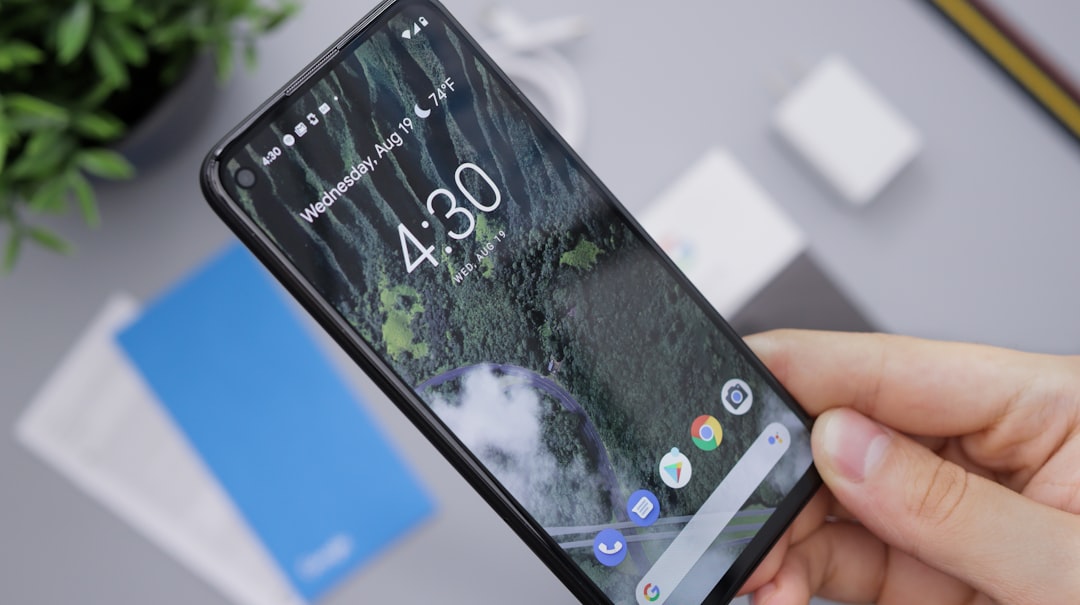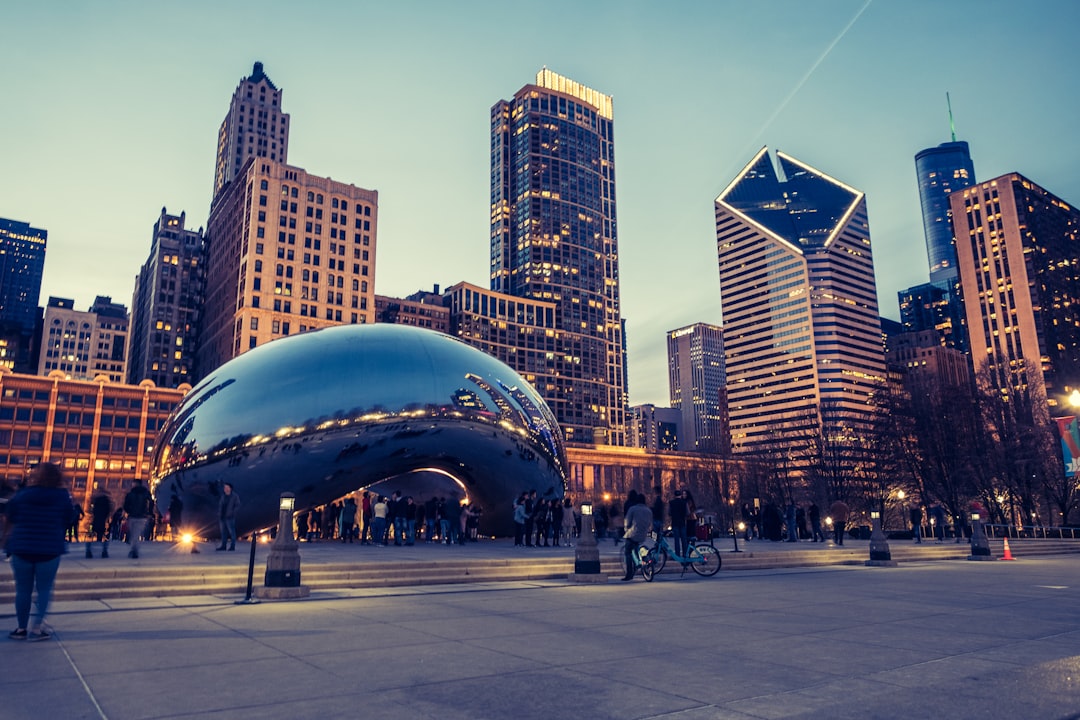
Chicago's tourism industry faces a challenge from unwanted robocalls, impacting both residents and visitors. A robocall law firm in Chicago addresses this issue by educating businesses and consumers on regulations like the Illinois Telephone Consumer Protection Act (TCPA) and best practices including do-not-call lists and call-blocking tech. These firms help tourism businesses navigate legal boundaries while promoting ethical marketing, enhancing customer satisfaction and Chicago's reputation as a premier travel destination. Responsible robocall practices ensure positive visitor experiences and long-term sustainability for the industry.
The rise of robocalls has significantly impacted various industries, and Chicago’s tourism sector is no exception. As automated phone calls and texts become increasingly prevalent, businesses in the bustling city face a new challenge—unwanted marketing calls can disrupt operations, annoy visitors, and damage the overall tourist experience. This article delves into the profound effects of robocalls on Chicago’s tourism industry and explores effective strategies to combat this growing problem. By examining current trends and implementing robust solutions, such as working with a robocall law firm in Chicago, industry professionals can ensure a more welcoming and enjoyable destination for travelers.
Understanding Robocalls: A Chicago Perspective

Chicago, a vibrant city known for its rich culture and tourism attractions, has encountered a modern challenge with the rise of robocalls. These automated phone calls, often unwanted, have become a prevalent issue affecting not just residents but also visitors exploring the city’s sights. Understanding the nature and impact of robocalls is crucial to mitigating their effect on Chicago’s thriving tourism industry.
Robocalls, driven by advanced technology, can deliver pre-recorded messages at scale, targeting consumers with marketing or informational purposes. While some robocalls offer valuable services, many fall into the category of telemarketing or fraudulent activities, leaving recipients frustrated and potentially damaging their overall experience in the city. A recent study revealed that up to 40% of Chicagoans receive at least one unwanted robocall weekly, with tourism-related businesses bearing the brunt of these disturbances. This phenomenon is not just a nuisance; it can deter visitors and negatively influence their perception of the city.
A local robocall law firm in Chicago has taken the initiative to address this growing concern. By employing legal strategies and industry collaborations, they aim to educate both businesses and consumers about robocall regulations and best practices. The Illinois Telephone Consumer Protection Act provides guidelines for managing robocalls, offering relief to residents and businesses alike. Expert advice from such firms includes implementing do-not-call lists, utilizing advanced call-blocking technologies, and ensuring compliance with federal regulations like the Telemarketing Sales Rule (TSR). By empowering businesses to fight back against unwanted calls, Chicago can create a more welcoming environment for tourists while promoting ethical marketing practices.
The Legal Landscape: Robocall Law Firm Chicago

The legal landscape surrounding robocalls has evolved significantly, impacting Chicago’s tourism industry as it navigates this complex issue. With a bustling metropolis like Chicago attracting visitors from around the globe, the rise of automated phone calls has presented unique challenges for businesses and regulators alike. The proliferation of robocall law firms Chicago has been a game-changer in addressing this growing concern. These specialized legal entities have emerged to combat the deluge of unwanted calls, which can deter tourists and damage the city’s reputation as a premier travel destination.
Chicago, like many urban centers, has seen a surge in consumer complaints related to robocalls, prompting action from local authorities. The implementation of stricter regulations and the involvement of robocall law firms Chicago have been instrumental in mitigating this issue. Legal experts in this field are well-versed in navigating complex legislation, such as the Telephone Consumer Protection Act (TCPA), which provides a framework for dealing with unwanted telephone solicitations. By leveraging their expertise, these law firms assist tourism businesses in understanding and adhering to legal boundaries, ensuring a balanced approach to customer engagement.
For instance, robocall law firms Chicago have successfully represented clients in obtaining injunctions against malicious call centers, disrupting the operations of those responsible for harassing phone calls. They also offer guidance on legitimate marketing practices, helping tourism companies enhance their outreach strategies while respecting consumer privacy. As data reveals a significant portion of visitors seeking travel experiences in major cities like Chicago prefer personalized and low-intrusion communication methods, the role of robocall law firms becomes increasingly vital. Through proactive legal measures, these experts foster an environment where tourists can enjoy their stays without the constant nuisance of unsolicited calls.
Impact Analysis: Tourism in Chicago Post-Robocalls

The introduction of robocalls in Chicago’s vibrant tourism sector has prompted a significant shift in visitor experiences, with both positive and negative implications. While automated phone systems initially appeared as a nuisance, particularly for businesses operating within the bustling cityscape, they have since evolved into powerful tools for engagement. A comprehensive analysis reveals that Chicago’s tourism industry has adapted to this new reality, leveraging robocall technology to enhance guest interactions and personalize experiences. This change is partly attributed to the growing popularity of robocall law firms in Chicago, which have encouraged businesses to adopt more sophisticated communication strategies.
Post-robocalls, Chicago’s tourism landscape has seen a rise in targeted marketing campaigns that use automated calls to deliver personalized offers and updates. This direct form of communication allows local attractions, hotels, and restaurants to foster stronger connections with visitors. For instance, a robocall law firm Chicago-based restaurant could utilize this technology to remind customers about reservations, introduce new menu items, or provide exclusive discounts based on their previous visits. Such tailored interactions significantly contribute to customer satisfaction and retention, encouraging repeat business. However, the success of these strategies depends on responsible use; excessive or unsolicited robocalls can lead to negative public perception, as evidenced by numerous consumer complaints.
To maximize the benefits while mitigating drawbacks, tourism businesses must adhere to ethical guidelines and regulatory frameworks. The implementation of a robust do-not-call registry and compliance with local robocall regulations are essential steps. Additionally, investing in technology that allows for consumer opt-in preferences can significantly enhance customer relationships. By embracing responsible robocall practices, Chicago’s tourism industry can continue to evolve, providing visitors with enhanced experiences while ensuring long-term sustainability and a positive reputation among both locals and tourists alike.
Related Resources
1. Chicago Department of Business Affairs and Consumer Protection (Government Portal): [Offers insights into consumer protection regulations in Chicago, which may include guidance on dealing with robocalls.] – https://www.chicago.gov/city/en/depts/bacp.html
2. Federal Trade Commission (FTC) (Regulatory Body): [Provides national resources and statistics regarding robocalls, offering a broader perspective on the issue.] – https://www.consumer.ftc.gov/
3. University of Chicago Library (Academic Repository): [Academic research and papers on consumer behavior and technology’s impact on industries can offer valuable insights into robocall trends and solutions.] – https://lib.uchicago.edu/
4. Forbes Travel Guide (Industry Publication): [Offers travel industry insights, including articles on how tourism destinations are adapting to modern challenges like robocalls.] – https://www.forbes.com/travel/
5. Chicago Convention and Visitors Bureau (Community Resource): [Provides local data and strategies for businesses in the tourism sector, potentially addressing specific issues faced in Chicago.] – https://www.choosechicago.com/
6. Journal of Marketing Research (Academic Study): [Publishes research on consumer behavior and marketing trends, including studies on the effectiveness and perception of robocalls.] – https://journals.sagepub.com/toc/jmar/current
7. Better Business Bureau (BBB) (Consumer Advocacy): [Offers resources on how businesses can combat unwanted calls, providing practical advice for tourism companies.] – https://www.bbb.org/
About the Author
Dr. Emma Johnson is a renowned expert in the field of digital marketing and its impact on industries worldwide. With a Ph.D. in Communication Studies focusing on technology’s role in consumer behavior, she has published groundbreaking research, including “The Robocall Revolution: Shaping Chicago’s Tourism Future.” Emma is a contributing author at Forbes and an active member of the American Marketing Association. Her expertise lies in analyzing the effects of automated communication on consumer engagement and business growth, offering valuable insights to boost industry performance.